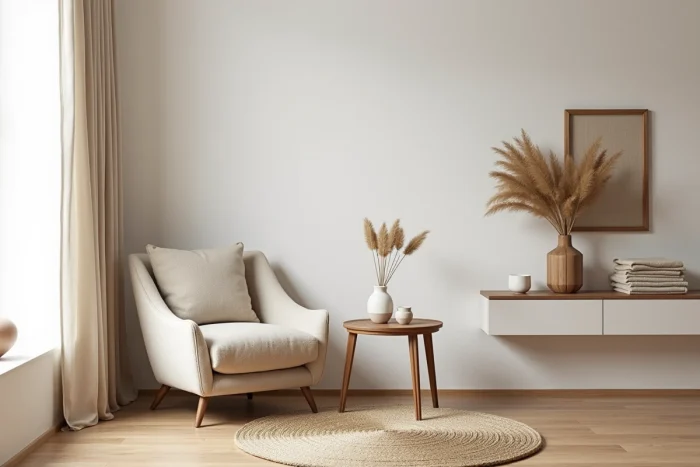
Repainting a wall, changing cushions, replacing a furniture handle: we often start with a specific detail before rethinking the entire room. Current decor trends facilitate this approach with small touches, as they highlight raw materials, tactile textures, and a tight color palette rather than heavy transformations.
Natural materials and raw finishes: the foundation of sustainable decor
When renovating a living room or bedroom, the first instinct is often to look for a wall covering or a piece of furniture that sets the mood. Wood, linen, rattan, and reconstituted stone are making a comeback in most recent projects, and for a simple reason: these materials age well and adapt to almost any style.
You can integrate dark walnut on a TV unit without touching the rest of the room. A solid oak top on an existing metal structure changes the perception of a desk in just a few hours. Rattan works just as well as a light fixture as it does for a headboard.
What distinguishes successful interiors in this regard is the consistency of finishes. A matte oiled wood in the living room doesn’t necessarily match a glossy varnished wood in the adjacent hallway. It’s beneficial to choose a single type of finish (matte, satin, or raw) and apply it in the rooms visible from the same viewpoint.
Brands like Votre Déco offer combinations of materials and styles that allow you to visualize these combinations before diving in.
Deep colors and a tight palette for the living room
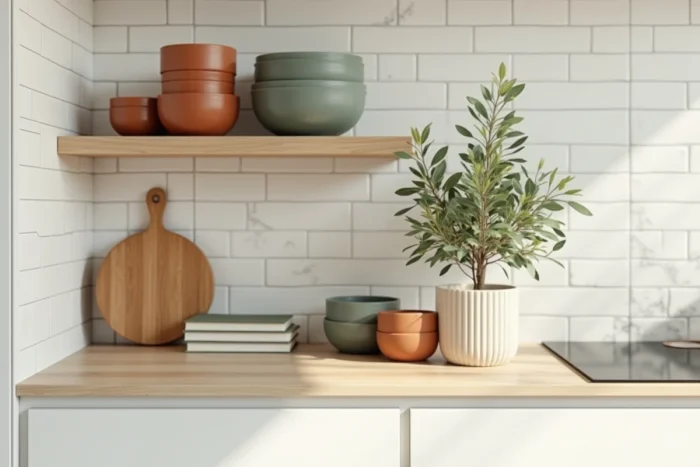
White walls remain a classic, but the current trend leans towards bolder colors, applied to a single wall or recess. Bordeaux, warm mocha browns, and deep greens create a visual anchoring effect in a living room without needing to repaint the entire space.
Pairing a strong color with understated furniture
A dark wall works when the furniture opposite remains neutral. A beige or light gray sofa in front of a terracotta wall adds depth. The reverse (light wall, very colorful sofa) also works, but requires more skill in choosing accessories to avoid a catalog effect.
Opinions vary on this point: some find that dark colors visually shrink the space. In practice, the effect largely depends on natural light. A south-facing room with large openings can handle a fir green very well. A ground-floor living room facing north would benefit more from medium shades.
- Bordeaux or wine red on a wall behind the sofa, with ecru linen cushions for balance
- Mocha brown on a low wainscot (one-third of the wall), the rest in off-white, for a warm effect without darkening
- Olive green as a headboard in a bedroom, paired with light wood and brushed brass lighting
Curved shapes and organic lines in furniture
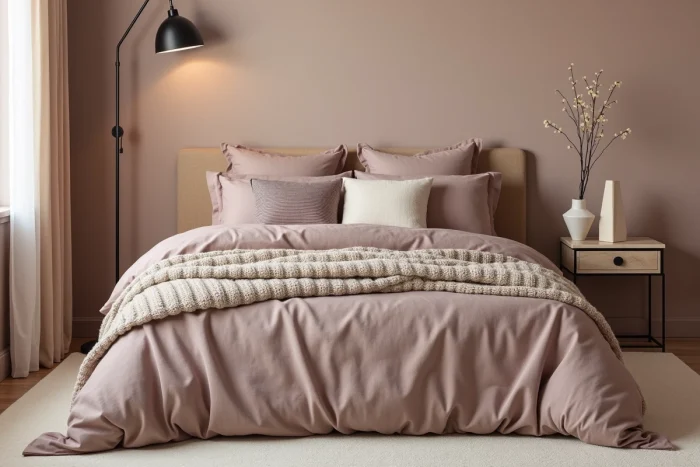
For several seasons now, there has been a return to furniture with rounded lines. Enveloping armchairs, coffee tables with soft edges, oval mirrors: these shapes are gradually replacing the strict right angles that dominated Scandinavian design in previous years.
Just one piece of curved furniture is enough to soften the atmosphere of a room. A rounded corduroy armchair in a reading nook, for example, changes the relationship to space without altering the overall layout. There’s no need to replace all the furniture.
The trap of total organic look
Multiplying curves in the same room creates a soft effect. Contrast remains key: a round table works better with chairs that have more structured lines. A rounded sofa benefits from being placed on a rectangular rug. The mix of geometries gives character to a space, whereas a uniform style flattens perception.
Discreet luxury: focus on texture rather than brand
The concept of discreet luxury, very present in the 2026 decor trends, is based on a practical idea: quality is felt through touch and use, not through the label. A thick wool throw, a washed linen curtain, a solid brass door handle transform an interior without ostentatious signals.
In practice, this principle is applied by investing in elements that you touch or see every day. Furniture handles, switches, bedding, and lighting have a disproportionate impact on the overall perception of a space relative to their cost.
- Replacing plastic kitchen handles with brass or brushed steel models takes less than an hour and changes the look of an entire kitchen
- A heavy linen curtain, slightly wrinkled, hung from ceiling to floor, visually enlarges the room and adds a texture that polyester cannot replicate
- A looped wool rug in front of a sofa effectively replaces a patterned synthetic rug, reducing noise and warming the room
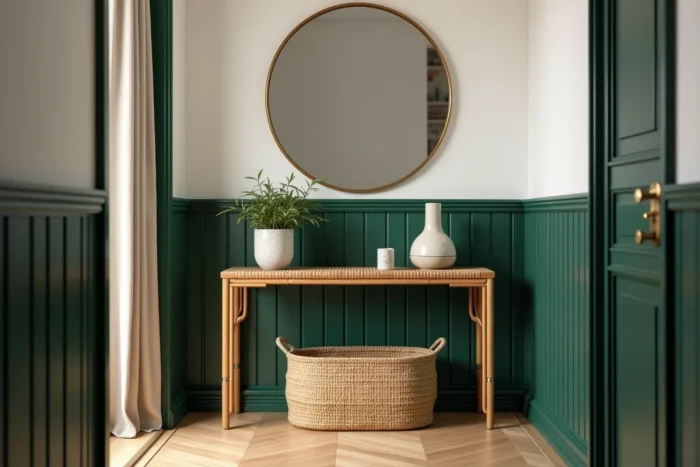
These adjustments require neither major renovations nor a large budget. They fit into a logic of gradual interior decoration, where each modification improves comfort without challenging the existing setup. The last practical piece of advice to remember: start with the room where you spend the most time, test one or two modifications, then extend to the next room if the result is satisfactory.